
New enzyme controls fat production, could spark next-gen weight loss drugs

Original story from University Hospitals Cleveland Medical Center (OH, USA).
Researchers have discovered an enzyme that controls both weight gain and cholesterol levels in animal models.
Obesity is a global epidemic and a major cause of morbidity and mortality because it increases the risk for comorbidities, including heart disease and fatty liver disease. Rates of these disorders have risen as the world increasingly adopts energy-dense diets and sedentary lifestyles.
Nitric oxide is a gas molecule with pleiotropic actions in the body. These effects of nitric oxide are carried out through its binding to proteins. Too much or too little nitric oxide binding (to key proteins) causes disease.
In a new study, published December 23rd in the AAAS journal, Science Signaling, a research team from University Hospitals (OH, USA) and Case Western Reserve University (OH, USA) discovered a novel enzyme (SCoR2) that removes nitric oxide from proteins controlling fat build up. Removal of nitric oxide turned on fat synthesis, establishing that SCoR2 is needed to make fat.
The team then inhibited SCoR2 genetically and by developing a drug. They found that blocking this nitric oxide-removing enzyme prevented weight gain and liver injury in mouse models. The same drug also lowered bad cholesterol.
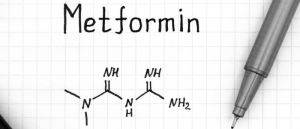
Lac-Phe: the mechanism behind metformin’s role in weight loss
By illuminating the mechanism underlying metformin’s link to weight loss, researchers could have identified a candidate for novel weight loss pharmaceuticals.
“We have a new class of drug that prevents weight gain and lowers cholesterol – a potential therapy for obesity and cardiovascular disease, with additional hepatic benefits,” explained lead author of the study, Jonathan Stamler, President and Co-Founder, Harrington Discovery Institute (OH, USA), Distinguished University Professor, Robert S. and Sylvia K. Reitman Family Foundation Professor of Cardiovascular Innovation, and Professor of Medicine and of Biochemistry at University Hospitals and Case Western Reserve University.
“In the liver, nitric oxide inhibits the proteins that make fat and cholesterol. In fat tissue, nitric oxide inhibits the genetic program that makes the enzymes that create fat,” Stamler added.
Next steps in this research involve advancing the drug into clinical trials, which should take about 18 months.
“Our team looks forward to further developing a first-in-class drug to block weight gain and lower cholesterol, with favorable effects on liver health,” Stamler concluded.
This article has been republished from the following materials. Material may have been edited for length and house style. For further information, please contact the cited source. Our press release publishing policy can be accessed here.