
Stories, resources and communities to explore for International Day of Women and Girls in Science
We’re celebrating International Day of Women and Girls in Science by thinking about ways we can learn, connect or contribute to advancing gender equity!
International Day of Women and Girls in Science (11 February) is a time to celebrate the achievements of women, reflect on the challenges they face and advocate for gender equality in science, technology, engineering and mathematics (STEM). In 2025 we curated a selection of books, films and networks that highlight the incredible contributions of women across science, society and culture while addressing the systemic barriers they continue to confront. This International Day of Women and Girls in Science, we have updated this list to include even more inspiring works and resources and we will continue to update the list annually to ensure it remains relevant, comprehensive and reflective of the evolving contributions and challenges faced by women in science.
From uncovering hidden gender biases in healthcare and neuroscience to spotlighting the resilience and innovation of women in STEM, these resources serve as both inspiration and a call to action. Whether you’re looking to learn, connect or contribute to advancing gender equity, this list offers tools to amplify women’s voices and support a more inclusive world.
Dive into our recommendations below!
Books
The Exceptions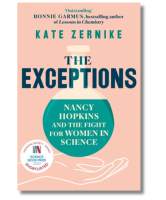
The Exceptions by Kate Zernike tells the compelling story of Nancy Hopkins and her fight for gender equality in science. The book chronicles Hopkins’ journey as a molecular biologist at MIT (MA, USA), where she uncovered systemic gender discrimination and led efforts to address inequities faced by women in academia. Through meticulous research and personal narratives, Zernike highlights the courage and determination of Hopkins and her colleagues, offering an inspiring account of their transformative work.
Lab Girl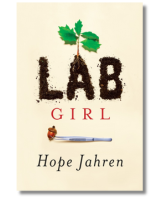
Lab Girl by Hope Jahren is a beautifully written memoir that intertwines the author’s journey as a scientist with her deep love for plants and the natural world. Jahren shares her experiences navigating the challenges of being a woman in science, from building her own research labs to forging meaningful collaborations. With humor and poetic prose, she explores themes of resilience, curiosity, and the joy of discovery.
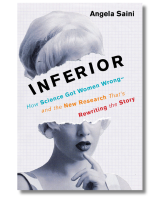 Inferior: How Science Got Women Wrong—and the New Research That’s Rewriting the Story
In Inferior, Angela Saini examines how centuries of biased scientific research have perpetuated myths about women’s abilities and biology. Drawing on cutting-edge studies and interviews, Saini challenges outdated assumptions and highlights groundbreaking research that is reshaping our understanding of gender. This thought-provoking book celebrates progress while exposing the flaws in past science.
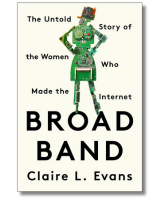 Broad Band: The Untold Story of the Women Who Made the Internet
Broad Band by Claire L. Evans uncovers the hidden history of women who played pivotal roles in shaping the internet and modern computing. From early programming pioneers to innovators behind key technological advancements, Evans highlights the often-overlooked contributions of women in tech. The book celebrates their creativity and resilience, reclaiming their rightful place in the history of technology.
Rebel Bodies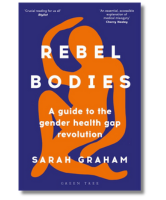
Rebel Bodies by Sarah Graham explores the systemic biases and inequalities that women face in healthcare. Through personal stories, research, and expert insights, Graham examines how gendered assumptions and medical neglect have led to misdiagnoses, inadequate treatments and overlooked conditions. The book is a powerful call to action, urging readers to challenge the status quo and advocate for a more equitable and inclusive healthcare system that truly serves everyone.
Invisible Women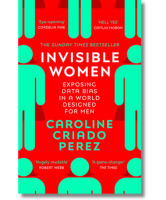
Invisible Women takes the reader on a journey to expose the hidden gender bias woven into the fabric of society. From a one-size-fits-all approach in medical device design to underrepresentation in clinical trials, Caroline Criado Perez draws on a wealth of data to expose how modern Mother Earth is a world designed by men, for men.
Criado Perez challenges us to question why ‘gender-neutral’ drug doses are the norm despite the increased overdose risk for women and explore why medical practice assumes that male bodies represent humanity. Uncover the hidden cost of neglecting women’s health data in this eye-opening read that seeks a more data-driven, equitable society.
The Gendered Brain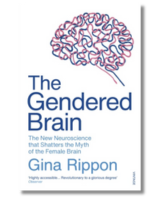
The Gendered Brain by Gina Rippon challenges the myth of male and female brain differences, arguing that differences are shaped more by societal expectations than biology. Using neuroscience, she debunks stereotypes, highlighting the brain’s plasticity and how culture influences abilities and behaviors. It’s a compelling call to rethink gendered assumptions scientifically and socially, addressing the influential role that culture has in molding gender norms.
Check out Neuro Central’s interview with Rippon!
Films
Sally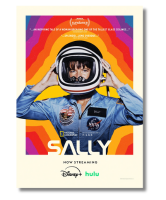
Sally is a National Geographic (DC, USA) documentary directed by Emmy Award-winning filmmaker Cristina Costantini. The film offers an intimate and inspiring look at the life and career of Sally Ride, the first American woman to travel to space. It highlights her historic achievements as an astronaut, her groundbreaking role in breaking gender barriers, and her lifelong dedication to science education. It also explores her personal life and her work co-founding Sally Ride Science to inspire young people in STEM.
Temple Grandin
Temple Grandin tells the inspiring true story of Temple Grandin, an autistic woman who becomes an advocate for autism awareness and animal welfare. Set in the 1960s and 70s, it follows Temple’s journey from a misunderstood child to a brilliant scientist revolutionizing livestock handling. Despite social challenges, her determination, visual thinking and innovative ideas led to incredible achievements in humane livestock handling. With the support of her mother, teachers and mentors, Temple defies expectations and discrimination in a male-dominated industry, showing the world the value of neurodiversity. The film is a celebration of resilience, creativity and individuality.
Picture a Scientist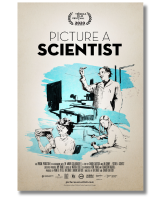
Picture a Scientist is a powerful documentary that explores gender inequality in science through the stories of three female scientists – chemist Raychelle Burks, geologist Jane Willenbring and biologist Nancy Hopkins. It explores their experiences with discrimination, harassment and systemic barriers, highlighting the challenges women face in STEM fields. The film also showcases their resilience, advocacy and efforts to create a more inclusive and equitable scientific community. Combining personal narratives with broader data on bias, it’s a call to action for transforming the culture of science and inspiring change.
Below the Belt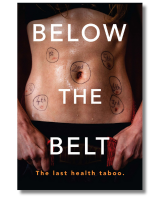
Below the Belt is a documentary that follows four women as they navigate the US healthcare system in their pursuit of diagnoses, treatments and answers for endometriosis. Directed by Shannon Cohn, who waited 13 years for her own diagnosis, the film highlights the societal taboos, gender bias, misinformation and financial barriers related to endometriosis.
Communities and networks
Women in Bio
Women in Bio (WIB; TX, USA) is a nonprofit organization dedicated to promoting and supporting women in the life sciences and biotechnology industries. Founded in 2001, WIB provides a platform for women at all career stages to connect, learn and grow professionally. WIB also runs specialized programs such as the Boardroom Ready initiative, which prepares women for board service, and Young Women In Bio (YWIB), which inspires and educates girls about careers in STEM.
The Association for Women in Science
The Association for Women in Science (AWIS; DC, USA) is a nonprofit organization dedicated to advancing equitable access to resources, opportunities and mentorship for women and underrepresented people across all STEM disciplines. AWIS focuses on advocacy and policy change, career and leadership development, mentorship and community building, and producing research and data to improve accountability in scientific institutions. It also offers awards, fellowships and professional resources, with a strong emphasis on addressing systemic barriers and improving retention and advancement in science.
500 Women Scientists
500 Women Scientists (CO, USA) is a global grassroots organization committed to making science open, inclusive, and accessible. Founded in 2016, it focuses on promoting diversity in STEM, combating misinformation, and advocating for equity in science. The organization connects women scientists worldwide through local chapters, known as pods, and initiatives like the Request a Woman Scientist database, which amplifies the visibility of women in science.
Stemettes
Stemettes (London, UK) is a UK-based social enterprise dedicated to inspiring and supporting girls, young women and nonbinary individuals to pursue careers in STEM fields. Founded in 2013 by Anne-Marie Imafidon, the organization offers free programs, including mentoring, workshops, hackathons and panel events, to showcase diverse role models and break down barriers in science, technology, engineering and mathematics. Stemettes aims to create a more inclusive and representative STEM workforce.
Mothers in Science
Mothers in Science is a grassroots, global, nonprofit organization founded in 2019 by scientific editor and consultant Isabel Torres and medical physics and radiation therapy professional Sonal Bhadane. The organization advocates for mothers in STEMM by starting important conversations, creating valuable resources, conducting research and building an online community where people can connect. Membership has a yearly cost of €45.00 for professionals and €25.00 for students and gives you access to mentoring, career fair events and member spotlights to boost your visibility.
BioinformHER
BioinformHER is a LinkedIn community that focuses on promoting diversity and inclusion within the field of bioinformatics. It is designed to connect and empower women and underrepresented groups working in or aspiring to join bioinformatics and related fields. The community provides a platform for networking, sharing career opportunities, mentoring and discussing the latest research and trends in bioinformatics.
Do you know of any great resources or initiatives that celebrate and empower women? Email us at [email protected] to share your suggestions!