
Case Study: Monoclonality assurance using the CellCelector nanowell cell cloning technology on HEK293SF-3F6 Cell Lines
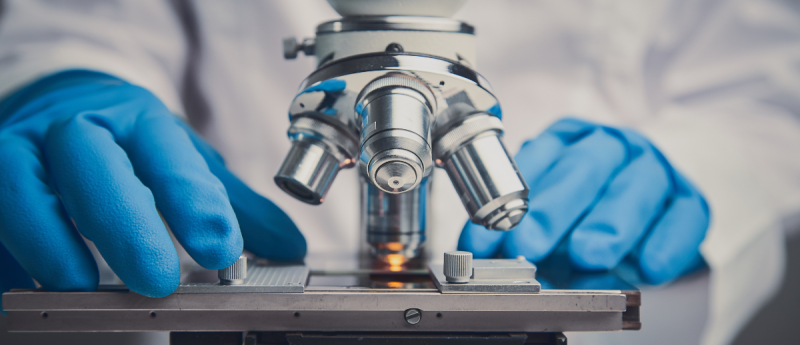
Ensuring monoclonality in cell cloning processes is a critical challenge in biotechnology and pharmaceutical industries, where cell purity and reliability are paramount for therapeutic development and research. Traditional methods often face limitations such as cross-contamination, ghost wells, and inefficiencies in isolating single-cell-derived colonies, which can compromise the integrity of results and delay workflows.
Addressing these challenges, the CellCelector nanowell cell cloning technology offers a solution by combining advanced imaging, statistical analysis, and fluorescence microscopy. This case study from Sartorius explores how this technology provides a reliable, efficient, and validated method for achieving monoclonality, showcased for HEK293SF-3F6 cell lines.
Complete the form below to download the Case Study.
This Case Study is part of a Spotlight on cell line development. Visit the full feature and discover expert insights on the topic here.
This content was provided by Sartorius.

Facilitating rapid, accurate cell line development
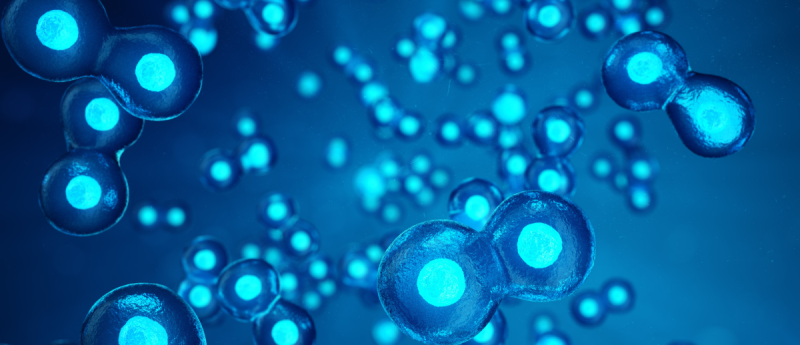
Developing robust and high-yielding cell lines for biotherapeutics is a critical yet challenging process in the field of biotechnology. Traditional cell line development methods, such as limiting dilution and Fluorescence Assisted Cell Sorting (FACS), are often time-consuming, resource-intensive and prone to low success rates due to issues like poor clone viability, inconsistent monoclonality, and inefficient resource utilization.
In this Application Note, Sartorius details the CellCelector Flex platform which leverages advanced nanowell technology, automation, and bead-based secretion assays offering a robust alternative to traditional methods.
Complete the form below to download the Application Note.
This Application Note is part of a Spotlight on cell line development. Visit the full feature and discover expert insights on the topic here.
This content was provided by Sartorius.
New CellCelector CLD takes you from thousands of candidates to the top clone, faster
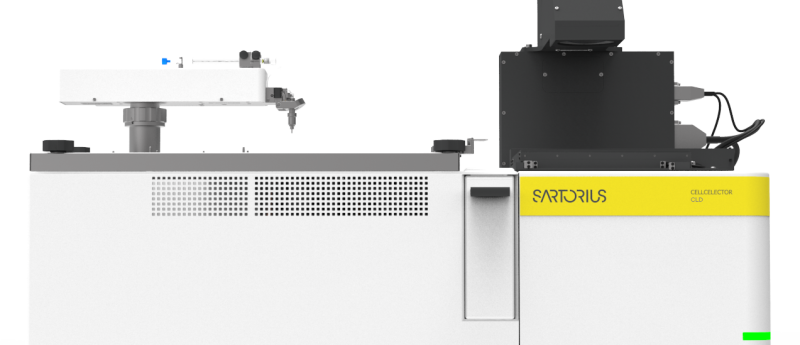
- Rapid preselection of high-producing clones from candidate pools, saving resources
- Monoclonality verification with automated documentation for full traceability
- Up to 100 percent transfer efficiency and viability to protect top clones for downstream expansion
Sartorius (Göttingen, Germany) announces the launch of the CellCelector CLD, an automated imaging and cell isolation platform designed to simplify and accelerate monoclonal cell line development (CLD). Combining high-speed scanning, advanced imaging, and gentle clone retrieval, it enables scientists to rapidly identify, verify, and isolate the most promising clones, while maintaining viability and ensuring reliable documentation.
“What used to take months can now be completed in approximately seven weeks. The CellCelector CLD gives teams the confidence to move from screening to stable, high-producing cell lines faster than standard workflows, with full traceability at every step,” said Darius Wilson, Product Manager of CellCelector Systems at Sartorius.
The CellCelector CLD delivers high-speed automated scanning to detect monoclonal wells and track clonal growth over time. Purpose-built imaging ensures consistent, high-quality results even for the most challenging targets, supporting confident screening across large candidate pools. Paired with Sartorius’ Next Generation CLD Nanowell Plates, the equivalent of 885 standard 96‑well plates, the platform screens large candidate pools and delivers 40 percent more monoclonal wells and over threefold higher clone outgrowth than standard Nanowell Plates. It yields up to 15,000 monoclonality‑verified clones ready to pick in just 4 days.
Once top clones are identified, the system supports gentle isolation with up to 100 percent transfer efficiency and viability, protecting valuable cell lines for downstream expansion. The integrated EMA 410-compliant productivity assay ensures every selection decision is traceable, giving research teams the regulatory confidence they need from day one.
The CellCelector CLD is part of Sartorius’ broader cell line development ecosystem, bringing together instruments, consumables, reagents, and media into a single, cohesive workflow. For bioprocess teams under pressure to move faster, reduce costs, and meet regulatory standards, it represents a meaningful step forward in the capabilities of automated CLD.
More information about CellCelector CLD: https://sar.to/CellCelectorCDL
A profile of Sartorius:
Sartorius is a leading international partner to life sciences research and the biopharmaceutical industry. With innovative laboratory instruments and consumables, the Group’s Lab Products & Services Division focuses on laboratories performing research and quality control at pharmaceutical and biopharmaceutical companies as well as academic research institutes. The Bioprocess Solutions Division, with its broad product portfolio focusing on single-use solutions, helps customers manufacture biotech medications, vaccines, and cell and gene therapies more safely, rapidly, and sustainably. Based in Göttingen, Germany, the company has a strong global reach with around 60 production and sales sites worldwide. Sartorius regularly expands its portfolio through the acquisition of complementary technologies. In 2025, the company generated sales revenue of around 3.4 billion euros. More than 14,000 employees work for customers around the globe.
For more information, visit their Newsroom or follow them on LinkedIn.
Contact Lisa Dabney
Head of Strategic Marketing
Lab Products & Services Division
☎️+1 734-474-7117
📧[email protected]