
Cold plasma could finally crack peanut allergies, making the nuts less allergenic
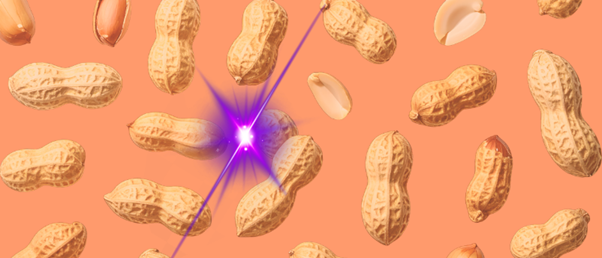
Peanut protein has driven allergy sufferers and scientists nuts for decades, but that could be about to change. New research reveals that cold plasma treatment reduces the immunoreactivity of peanuts – and potentially, a range of other foods.
Researchers from McGill University (Montreal, Canada) may have found a way to reduce the allergy risk of peanuts, and possibly other foods too, by treating them with cold plasma. In a new study, the team demonstrated that a quick blast of the treatment decreased the immunoreactivity of peanut protein by 69%, while also improving digestibility and functional properties important for food manufacturing.
Peanuts are a significant source of plant protein globally; however, they are also one of the most common food allergens. In recent years, the prevalence and severity of peanut allergy have risen, making it an important global public health issue. Previous attempts to tackle it have involved processing technologies, including heat-based treatments and non-thermal approaches like irradiation, that reduce the allergenicity and antigenicity of peanuts. Unfortunately, these can produce inconsistent results and may alter the taste, appearance and aroma of the nuts.
Consequently, there remains a need to develop a more efficient alternative. Cold plasma, which uses ionized gas to alter but not damage biological tissue, could provide that. Empirical evidence has demonstrated the efficacy of cold plasma in reducing protein allergenicity of soybean, cow’s milk and whey proteins. It is also known to have less impact on food flavor. These factors have led the researchers to investigate its effects on the immunoreactivity, structure and functional properties of peanut protein.
 Camel antimicrobials could get us over the hump of antibiotic resistance
A trio of antimicrobial peptides that target multidrug-resistant bacteria has been identified from an unexpected (and amusing) source: camels.
To achieve this, they began by extracting peanut protein from raw peanuts, which was treated with dielectric barrier discharge plasma for 0, 5, 15 and 25 minutes. SDS-PAGE was then used to evaluate the allergen content after cold plasma treatment. Compared to the control, there were no significant changes after 5 and 15 minutes of treatment. However, upon extending the treatment to 25 minutes, allergen content appeared substantially reduced. The results were corroborated by western blotting and dot blotting experiments.
Next, the antibody-binding capacity – a measure of immunoreactivity – of the samples was explored via indirect and inhibition ELISA, which indicated a drop of up to 69% following cold plasma exposure relative to the untreated protein.
SDS-PAGE was employed again to evaluate the peanut protein’s digestive stability, which revealed that a large proportion of allergens underwent hydrolysis into fragments of lower molecular weight after in vitro gastric/intestinal digestion. In other words, the treatment made the protein slightly easier to break down.
The 25-minute treatment also enhanced the foaming properties of peanut protein from 152% to 213%. This is essential for elevating stability, texture, mouthfeel and appearance, and therefore also practical applicability.
Ultimately, the research demonstrates how cold plasma can be used to reduce allergenicity and boost digestibility and suitability of peanuts. Conveying the benefit of these findings for people with peanut allergies, co-author Vijaya Raghavan explained: “it means they may have more food choices in the future.”
“Importantly, this approach isn’t limited to peanuts; it could also be applied to other allergens such as eggs, hazelnuts and more, potentially significantly reducing allergy risks across a wide range of foods,” he added.