
Novel nasal spray clears ‘brain fog’ and protects brain health
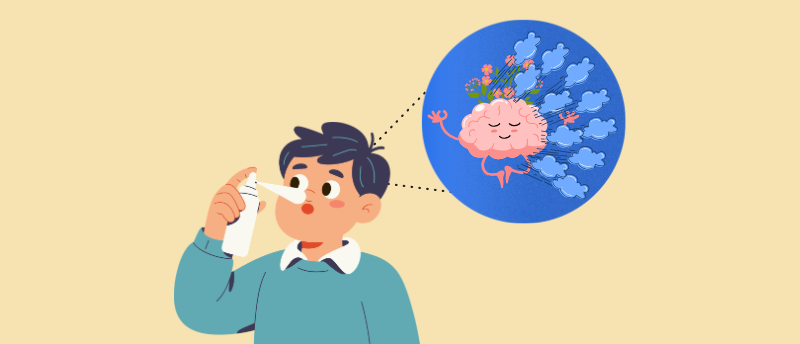
A novel nasal spray-based approach to deliver therapeutic miRNA-laden extracellular vesicles could combat neuroinflammaging and the decline of aging brains.
Researchers at the Texas A&M University Naresh K. Vashisht College of Medicine (TX, USA), led by Ashok Shetty, have developed a nasal spray that delivers therapeutic miRNA encapsulated in extracellular vesicles (EVs) to the brain, effectively dampening neuroinflammation in a mouse model. The team believes that this method could be used to combat the rising prevalence of dementia, improving health spans globally.
The well-worn idiom of the brain as an exceptionally high-powered computer bears more truth than its users often realize. Alongside its impressive computational power, the brain also experiences its own form of overheating, as small sections of inflammation arise and smolder in the hippocampus as we age, in a process known as neuroinflammaging. With the hippocampus being a key memory center of the brain, it is unsurprising that neuroinflammaging contributes to age-related cognitive decline and increases Alzheimer’s and dementia risk, increasingly prevalent disease areas globally.
The two key components of neuroinflammaging are the activation of NLRP3 (nucleotide-binding domain, leucine-rich repeat family, and pyrin domain-containing 3) inflammasomes and the cGAS–STING (cyclic GMP-AMP synthase–stimulator of interferon genes) pathway, which triggers type-1 interferon signaling. Previous studies have identified that EVs isolated from human iPSC-derived neural stem cells (hiPSC-NSC-EVs) contain miRNAs that can dampen neuroinflammation through the inhibition of the NLRP3 inflammasomes and the cGAS–STING pathway.
Using this information, the team developed a nasal spray containing hiPSC-NSC-EVs, which they administered in two doses, 2 weeks apart, to 18-month-old male and female C57BL6/J mice.
A month after the last dose, neurobehavioral tests were conducted. Following these tests, the cohorts were subdivided further, with some mice euthanized to collect fresh brain tissue for biochemical and molecular biology investigations, while others were perfused with 4% paraformaldehyde to enable immunohistochemical assessments of brain tissue samples.
Illuminating the link between amyloid beta and tau in Alzheimer’s disease
Research suggests that Alzheimer’s arises not simply from plaques forming in the brain, but from one protein interfering with the normal job of another.
Two additional groups of 18-month-old mice were euthanized 7 days after treatment to isolate live microglia for single-cell RNA sequencing, and 6 hours after treatment to confirm the presence of hiPSC-NSC-EVs in the brain.
hiPSC-NSC-EVs were found throughout the brain within 6 hours of intranasal administration, and the single-cell RNA sequencing investigations of microglia demonstrated that the EVs modulated gene expression to increase oxidative-phosphorylation and reduce the activation of pro-inflammatory signaling pathways.
The behavioral tests demonstrated an improved recognition of familiar objects and detection of novel objects and environmental conditions when compared to the control group.
Meanwhile, the hippocampi of the study group were found to have reductions in astrocyte hypertrophy, oxidative stress and microglial clusters, but more antioxidant proteins, when compared to the control group. There was a clear reduction in proteins activating the NLRP3 inflammasome and cGAS-STING pathways, amongst other inflammatory pathways.
The research team are clearly buoyed by the fact that these positive results were found in both the male and female mice, making the potential clinical impact of this treatment particularly enticing.
Dreaming of the future, Shetty stated that as the team “develop and scale this therapy, a simple, two-dose nasal spray could one day replace invasive, risky procedures or maybe even months of medication,” before going on to claim that their approach “redefines what it means to grow old. We’re aiming for successful brain aging: keeping people engaged, alert and connected. Not just living longer, but living smarter and healthier.”